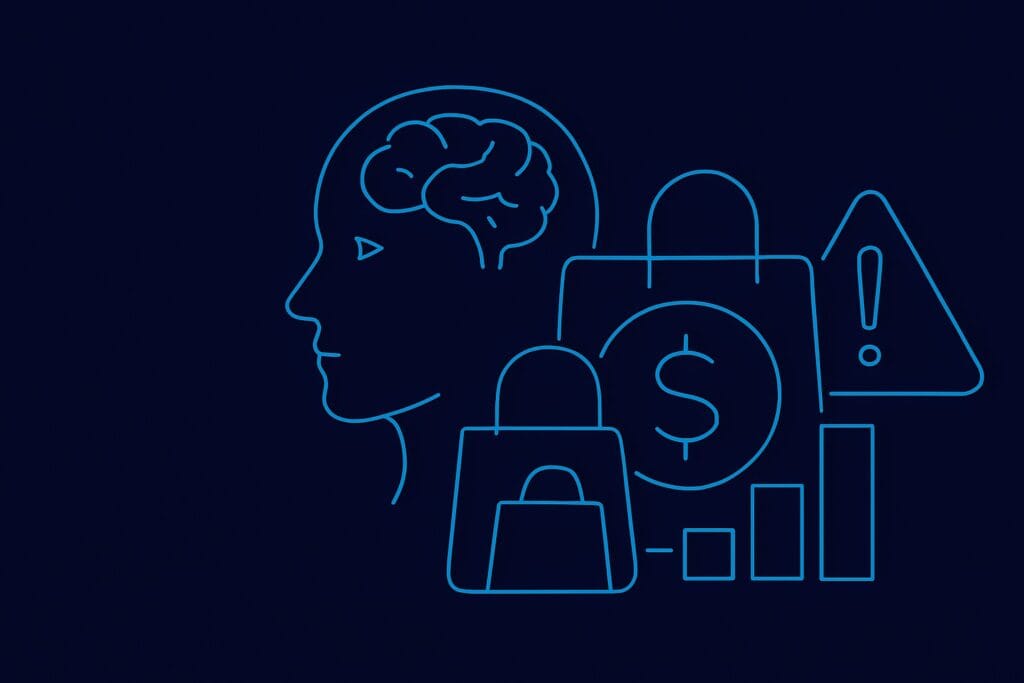
In a world filled with constant advertising, social media influence, and instant gratification, it’s easier than ever to spend money on things we don’t truly need. But unnecessary spending isn’t just a financial habit — it’s a psychological pattern shaped by our emotions, environment, and even our brain chemistry. Understanding why we buy can help us break free from impulse purchases, emotional spending, and the subtle marketing tactics that quietly drain our wallets. By exploring the psychology behind our buying decisions, we can start making choices that support our long‑term financial well‑being instead of our momentary impulses.
1. The Brain Chemistry Behind Impulse Buying
When you buy something — especially something new, exciting, or discounted — your brain releases dopamine, the “feel‑good” neurotransmitter. This creates a temporary high that feels rewarding.
Why this matters
- Your brain starts associating shopping with pleasure
- You crave the dopamine hit, not the product
- The feeling fades quickly, leading to more spending
This is why impulse purchases often feel great in the moment but lead to regret later.
2. Emotional Spending: Buying to Feel Better
Many purchases are driven by emotions, not logic. We shop to cope with:
- Stress
- Boredom
- Loneliness
- Anxiety
- Low self‑esteem
This is known as emotional spending, and brands know exactly how to trigger it.
Common emotional spending patterns:
- “I deserve this” after a long day
- “Retail therapy” when feeling down
- Buying gifts to feel appreciated
- Shopping to avoid uncomfortable emotions
When emotions drive decisions, your wallet pays the price.
3. Social Media Pressure and the Comparison Trap
Social media has turned spending into a performance. We see curated lifestyles, luxury items, and “must‑have” products everywhere.
How social media fuels overspending:
- Influencers normalize constant buying
- Ads are hyper‑targeted to your interests
- You compare your life to filtered highlight reels
- Trends change fast, pushing you to keep up
This creates a cycle of comparison → insecurity → spending.
4. Marketing Tricks That Make You Spend More
Brands use psychological tactics to influence your decisions — often without you realizing it.
Common marketing strategies:
- Scarcity: “Only 2 left!”
- Urgency: “Sale ends tonight!”
- Anchoring: Showing a high price first to make the sale price look better
- Bundling: “Buy 2, get 1 free”
- Free shipping thresholds: Spending more to “save”
These tactics are designed to bypass rational thinking and trigger impulse buying.
5. Identity-Based Spending: Buying Who We Want to Be
We don’t just buy products — we buy identities.
People often purchase things that align with the version of themselves they want to be:
- Gym memberships and fitness gear for the “future healthy me”
- Expensive planners for the “organized me”
- Designer items for the “successful me”
This is called identity-based spending, and it’s incredibly powerful.
6. The Comfort of Habits and Routines
Spending can become a habit — something you do automatically.
Examples:
- Buying coffee every morning
- Adding small items to your cart “just because”
- Shopping online when bored
- Treating yourself every payday
These small habits add up, often without you noticing.
7. How to Break the Cycle and Spend Smarter
Awareness is the first step. Once you understand the psychology behind your spending, you can take action.
✅1. Identify your triggers
- When I’m stressed, do I tend to shop?
- Am I buying things just to impress others?
- When boredom hits, do I end up spending more?
✅2. Use the 24‑hour rule
- For non‑essential purchases, wait 24 hours before buying.
- Impulse fades, clarity returns.
✅3. Unfollow accounts that trigger comparison
- Curate your digital environment.
✅4. Make a “want vs. need” list
- Before buying, ask:
- Do I need this?
- Why do I want it?
- How will this improve my life?
✅5. Set spending boundaries
- A monthly fun budget
- No‑spend days
- Cash‑only rules for certain categories
✅6. Track your spending
- Awareness = control.
- Use apps or a simple spreadsheet.
✅7. Replace shopping with healthier habits
- Instead of buying, try:
- Walking
- Journaling
- Calling a friend
- Practicing a hobby
Conclusion
We don’t overspend because we’re irresponsible — we overspend because we’re human. Our brains, emotions, environment, and habits all influence our buying decisions. When you understand the psychology behind your spending, you can make choices that align with your goals instead of your impulses.
Master your mind, and you master your money.